
Call us: 07742 400809 Visits by appointment only.
Email: Sales@legacygrowers.co.uk
Address: Legacy Growers, The Twistle, Byfield, NN11 6UR
Call us: 07742 400809 Visits by appointment only.
Email: Sales@legacygrowers.co.uk
Address: Legacy Growers, The Twistle, Byfield, NN11 6UR
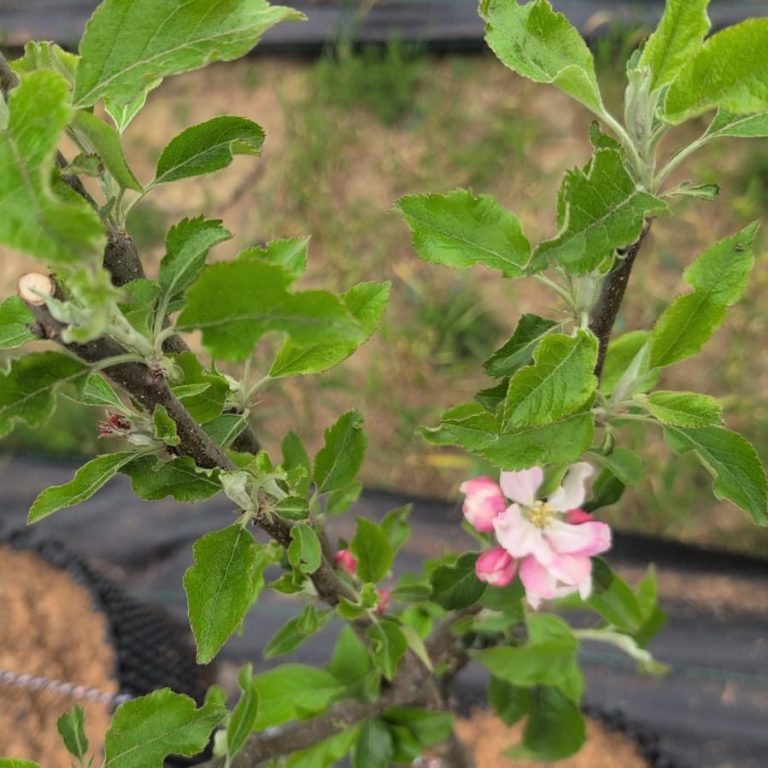
The most popular eating apple in the UK, producing a bumper crop from October. A smooth skinned, juicy and crisp apple. Yields can be harvested from a young age. This tree will thrive if situated in a well drained, fertile soil. A location offering full sun, whilst still benefiting from some shelter is ideal. A display of flowers in the spring accompany the emergence of the green leaves. A height of around 6 meters is achieved if left unchecked.
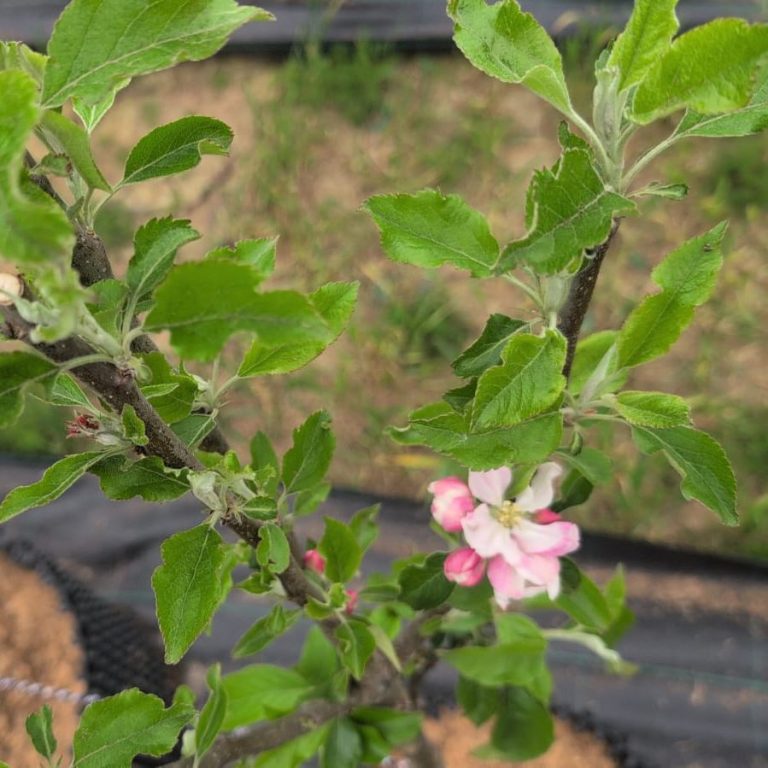
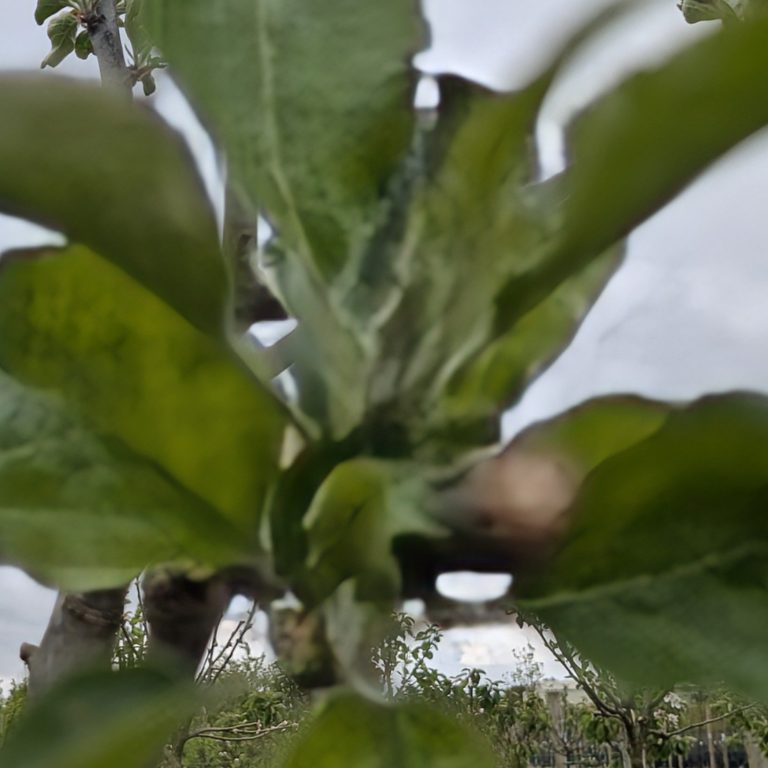
The most common UK cooking apple, ideal for crumbles and pies. Large, green, long lasting fruits are ready for harvesting by early November. This tree will thrive in a well drained, fertile soil. Best crops are achieved when positioned in a full sun, sheltered location. A display of flowers in the spring compliment the green canopy. A height of around 6 meters is achieved if left unchecked.
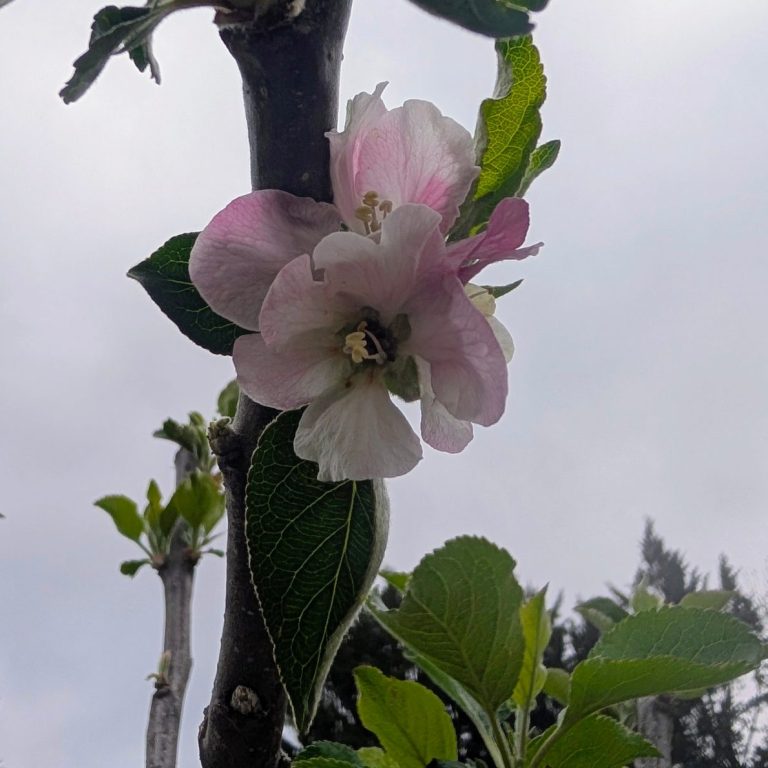
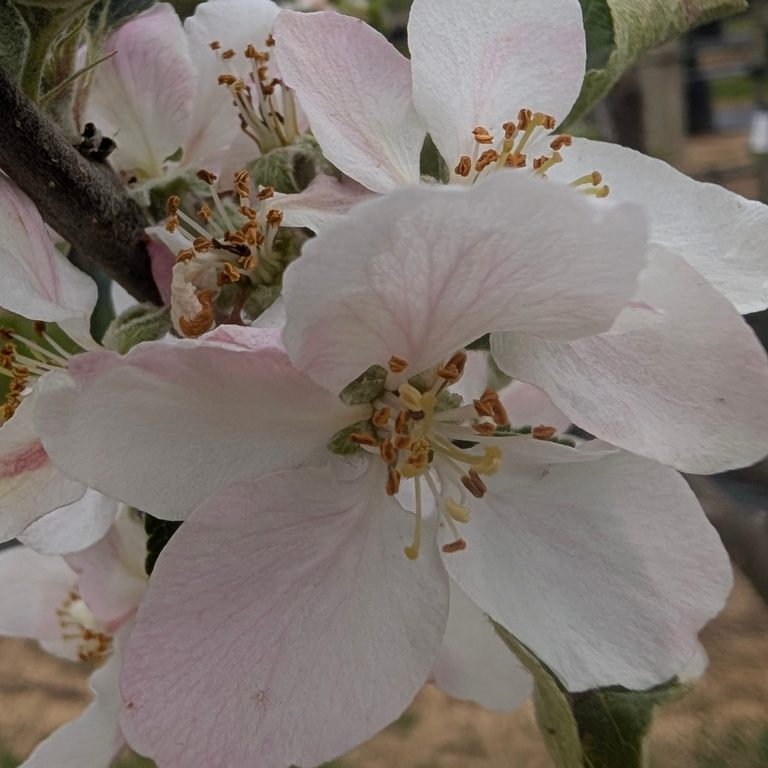
A sweet, crunchy eating apple produced in abundance in late October. This tree will thrive in all soils that are fertile and well drained. A sunny but sheltered position is ideal. A display of flowers accompany a deciduous canopy in the spring, reaching a height or around 6 meters if left unchecked.
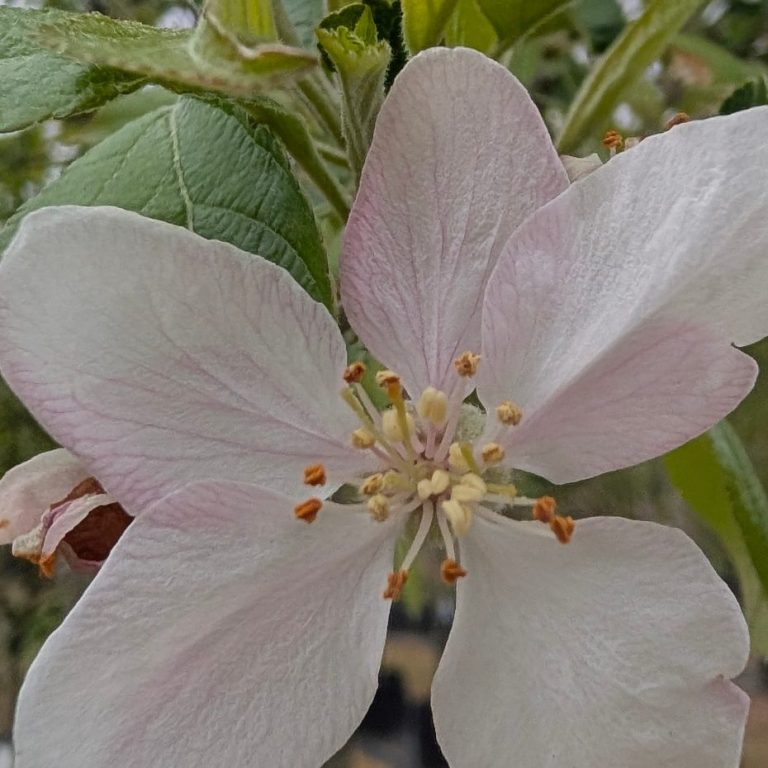
A golden green apple that is a versatile, dual purpose fruit, ideal for both eating and cooking. The apples can be harvested from November through to February. Soils that provide a fertile and well drained environment are ideal, especially if it provides full sun but sheltered. There is an abundance of flowers in the spring, from which the fruit will develop. The deciduous tree will reach a maximum height of around 6 meters if left unchecked.
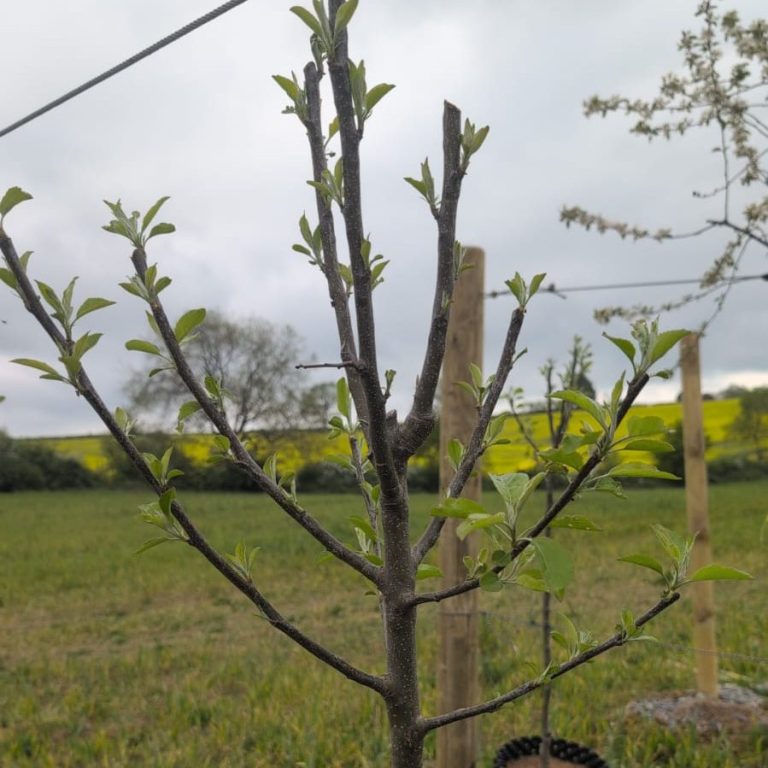
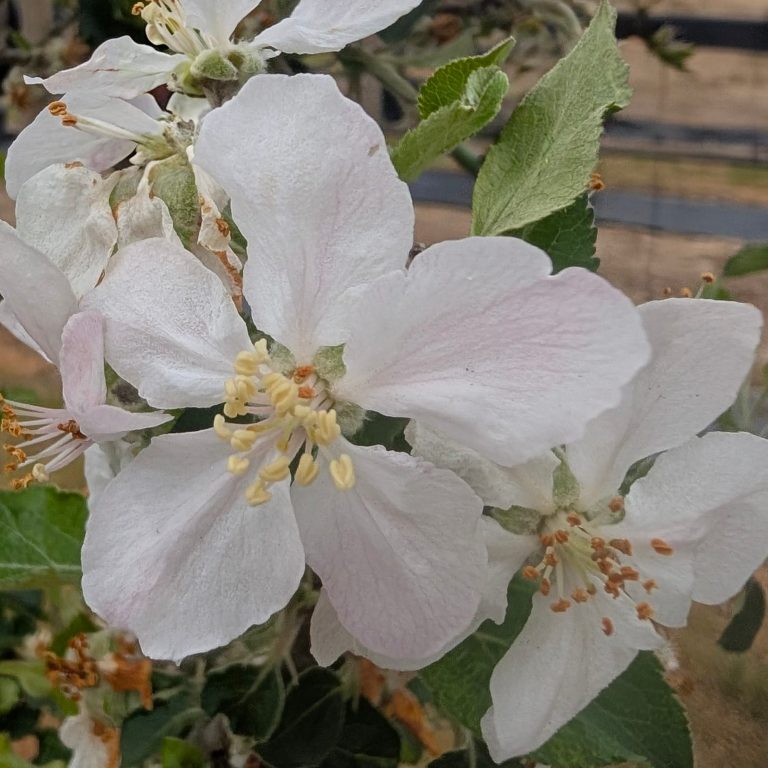
A large, red flushed apple is produced in abundance that can be cropped from November and stores particularly well. This eating apple will thrive in fertile soils that are free draining, sometimes struggling if too sandy. White/pink flowers in the spring are an indication of the fruits to follow. This deciduous tree will reach a maximum height of 6 meters if left unchecked.
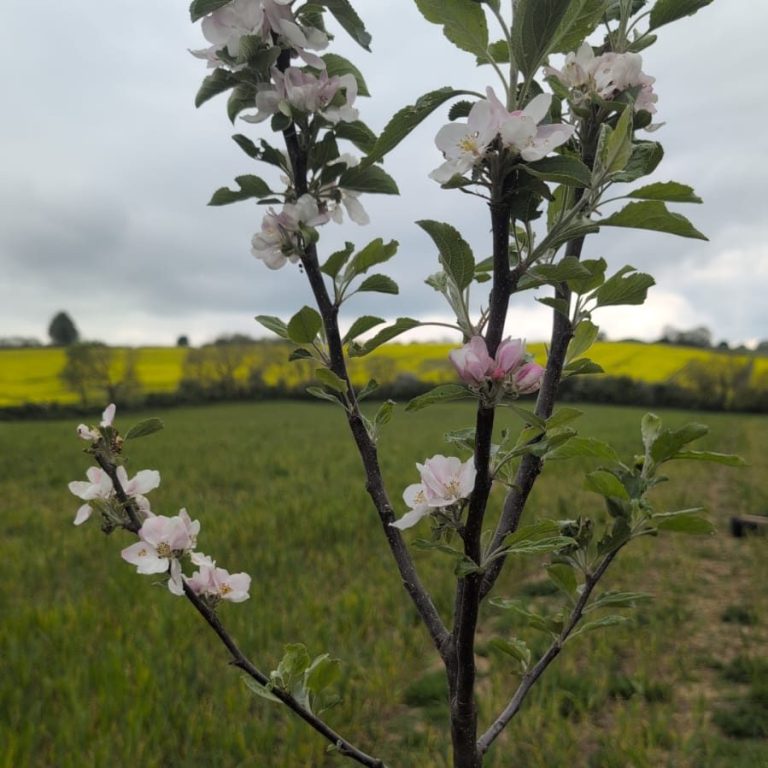
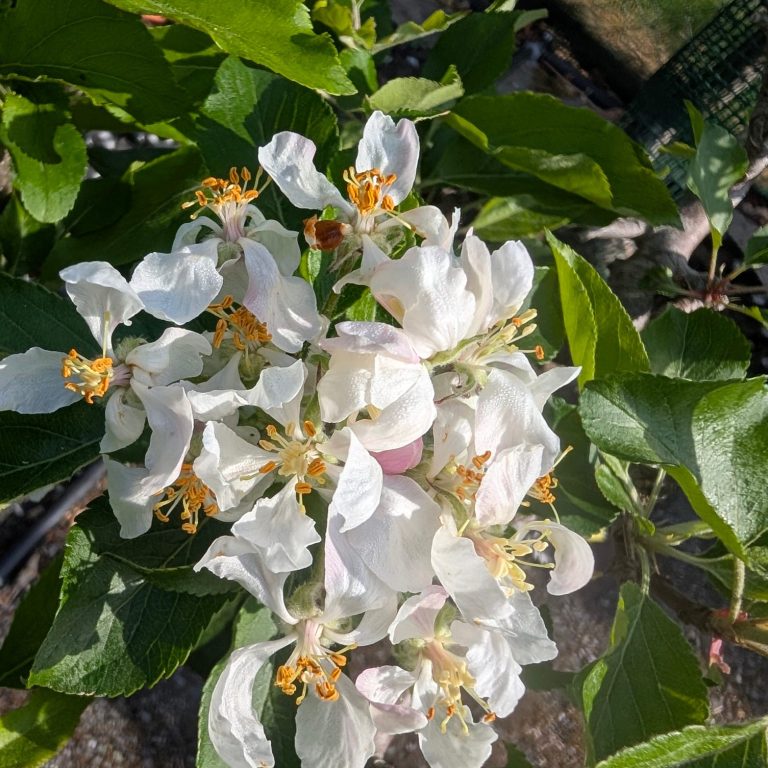
The Royal Gala produces an annual heavy crop of small, sweet apples. Showy flowers in the spring give you an idea of the bumper crop of fruit to come in the autumn. Thriving in a fertile, free draining soil, this specimen will struggle if too sandy. The deciduous tree will reach a maximum height of around 6 meters.

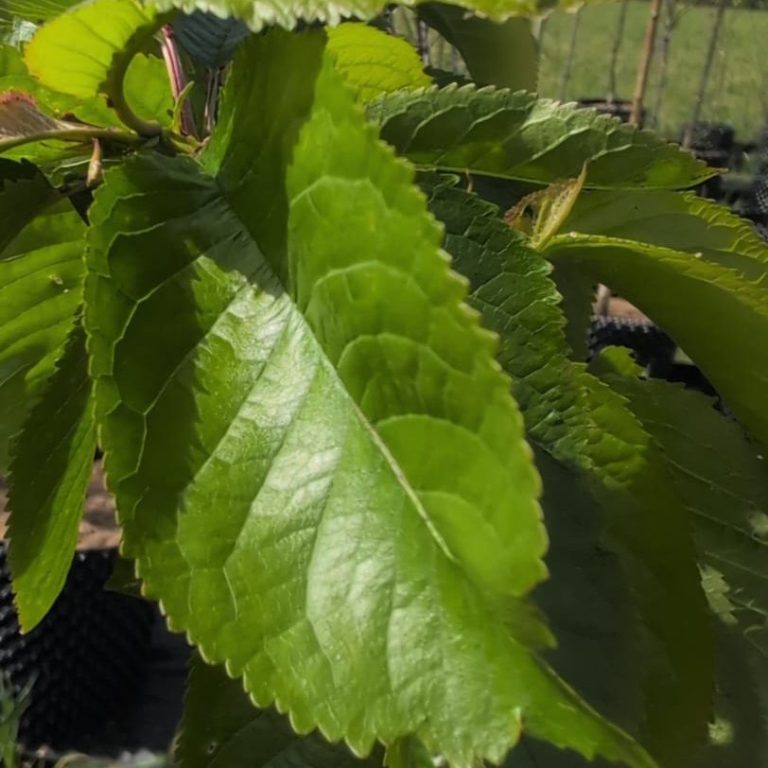
This self-fertile cherry produces a heavy crop of large, dark, edible fruits in mid summer. White flowers in spring are produced from a young age, giving an indication to the abundance of the crop to follow. Ideal conditions are full-sun with a well drained, fertile soil. The deciduous tree rarely exceeds 4 meters, making it ideal for small to medium sized gardens.
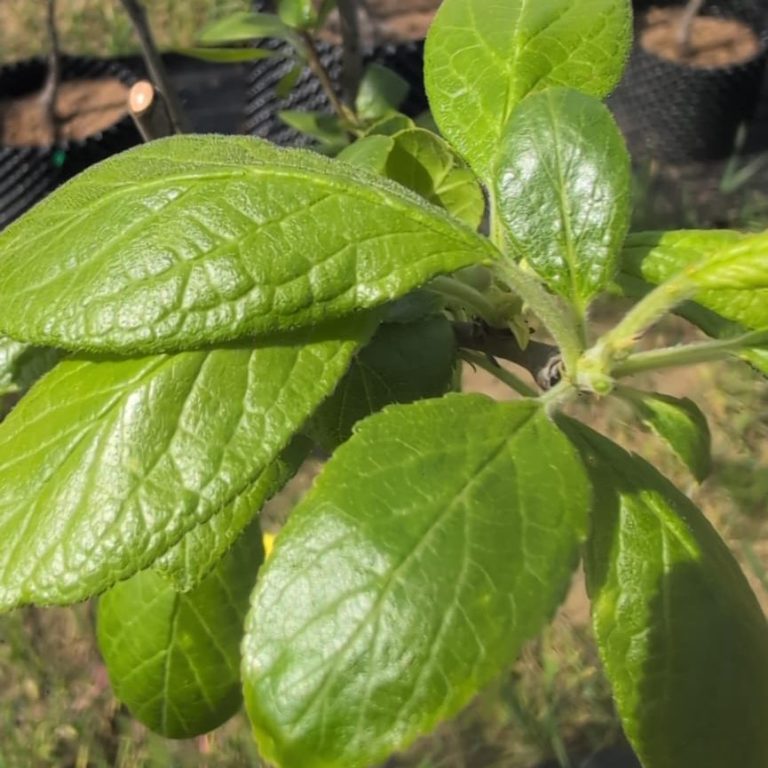
A self fertile plum, that produces a heavy crop of sweet, purple/pink fruits. Harvest begins in late august and the fruit is ideal for desserts, or for eating straight from the tree. The Victoria is a self fertile variety and will thrive in a well drained, nutritious environment. A deciduous tree, reaching a height of no more than 5 meters when fully mature.
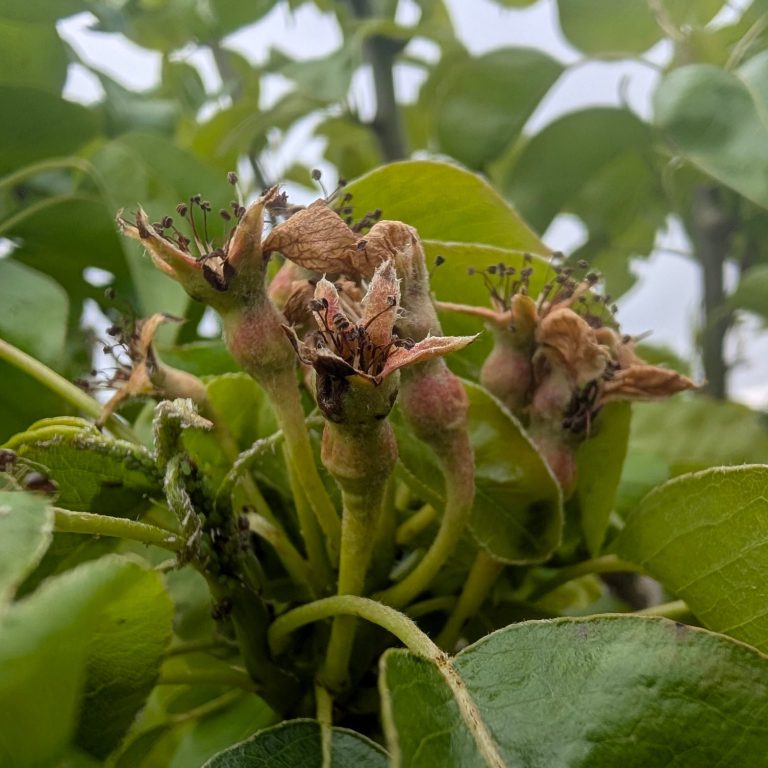
An eating pear that produces a display of white flowers in the spring before the glossy green foliage appears. Although not self pollinated, this cultivar will produce fruit regardless. Cropping can start in October, to enjoy the sweet and juicy green fruits. The deciduous tree thrives in a fertile soil and will tolerate much heavier soil then many other popular fruit varieties. A maximum height of about 6 meters is possible, but regular pruning keep fruit production as a manageable height.
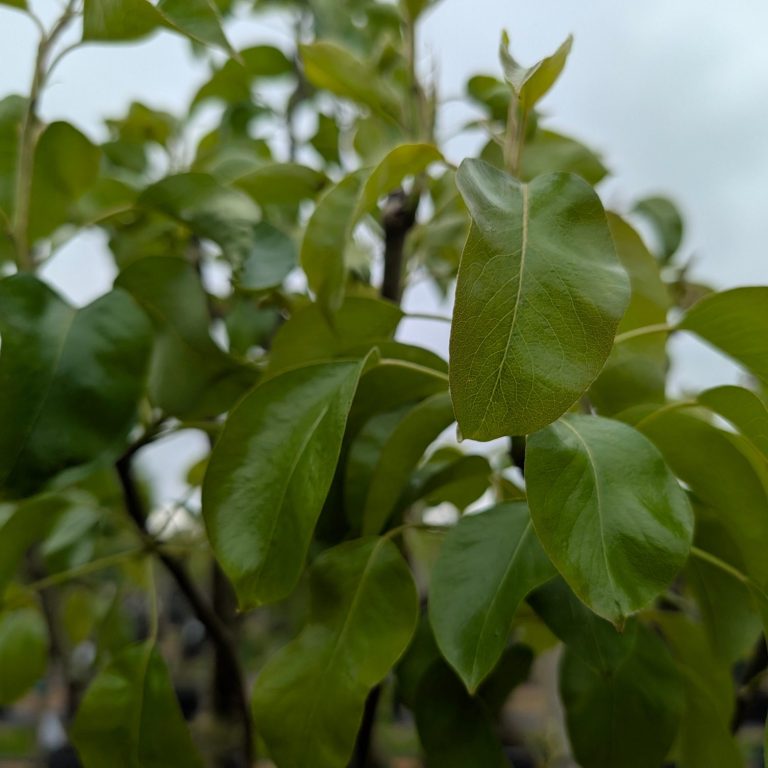
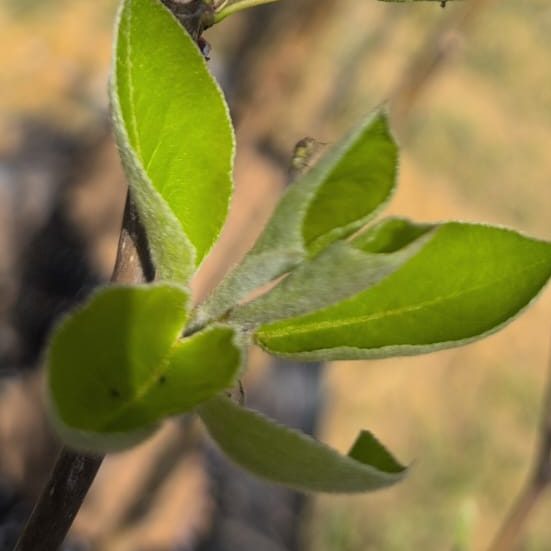
This eating pear is a much stockier, paler fruit. White flowers in the spring are an indication of an abundance of fruit in the autumn. The self-fertile variety is usually ready to begin cropping by early September, shortly before this deciduous tree prepares to drop its leaves. The short storage time means they are best eaten straight from the tree. A sunny, fertile position in a well drained soil is ideal and a maximum height of around 6 meters in height is achieved if left unchecked.
We need your consent to load the translations
We use a third-party service to translate the website content that may collect data about your activity. Please review the details in the privacy policy and accept the service to view the translations.