
Call us: 07742 400809 Visits by appointment only.
Email: Sales@legacygrowers.co.uk
Address: Legacy Growers, The Twistle, Byfield, NN11 6UR
Call us: 07742 400809 Visits by appointment only.
Email: Sales@legacygrowers.co.uk
Address: Legacy Growers, The Twistle, Byfield, NN11 6UR
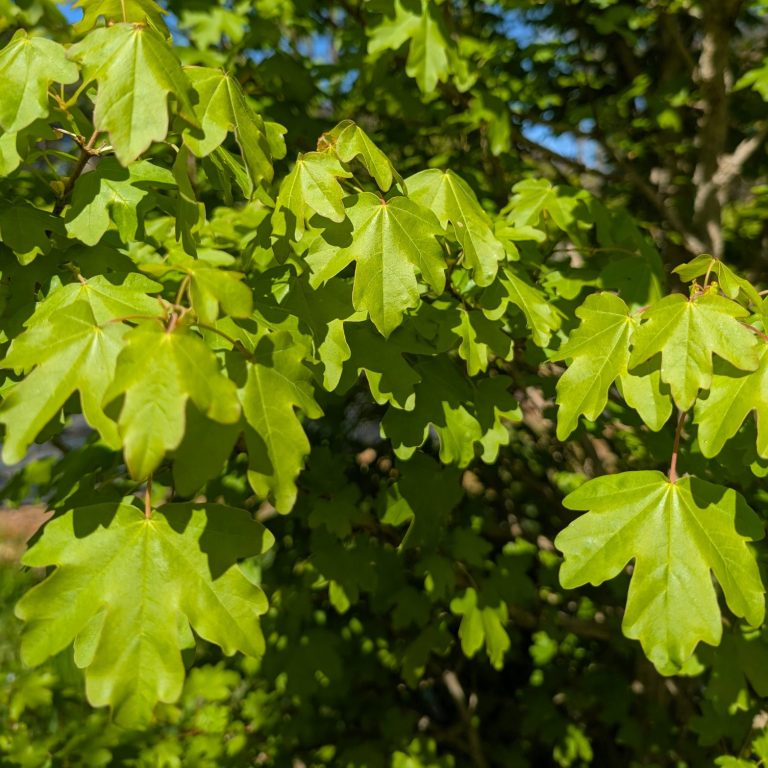
The field maple will reach an ultimate height of around 12 meters. A relatively fast growing deciduous tree with small, lobed leaves. Fairly inconspicuous flowers develop into winged, maple fruits. A versatile specimen that will thrive in all soil types, as long as they remain most and well drained.
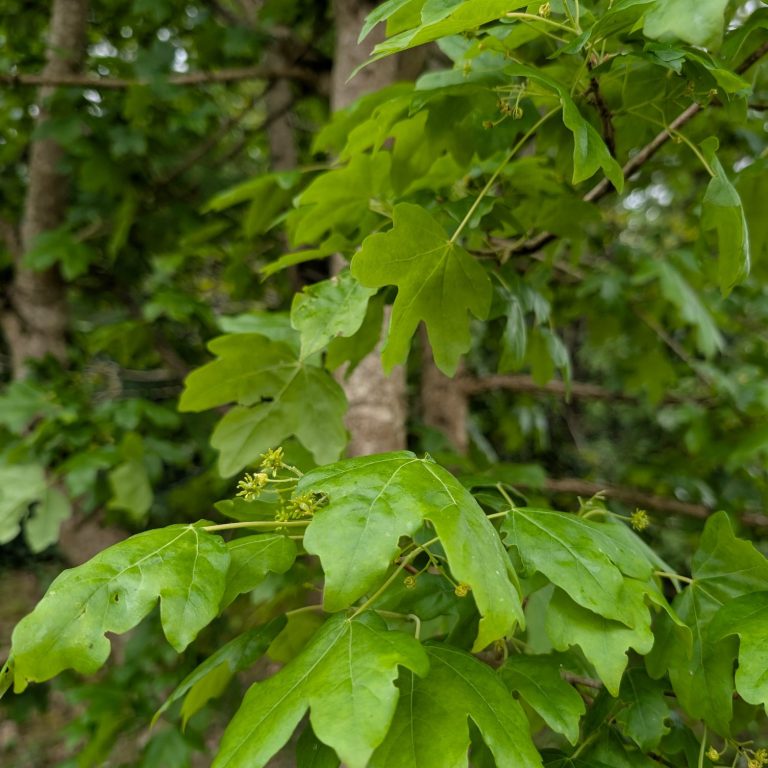
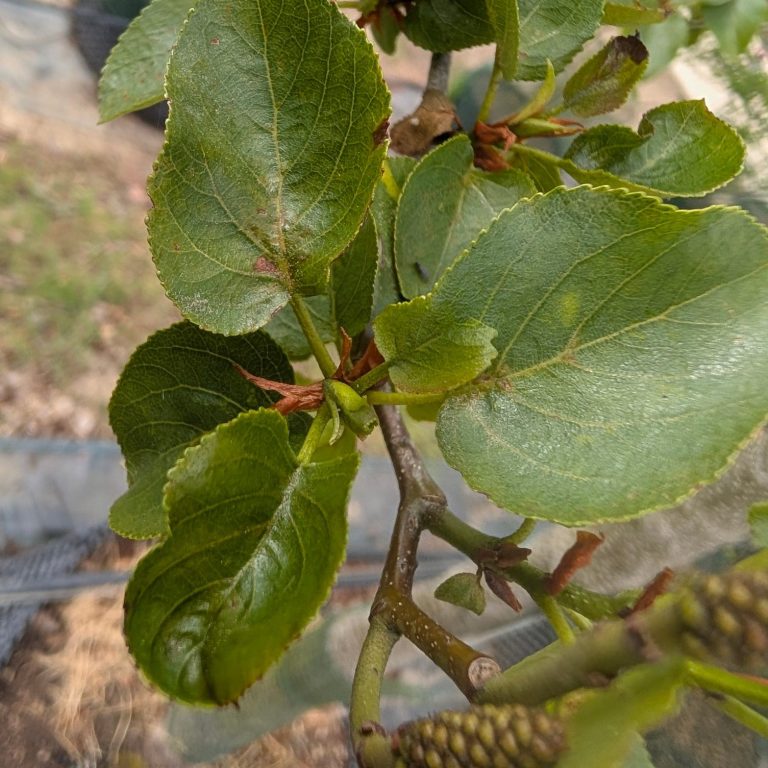
The italian alder is a deciduous tree with a conical habit reaching an ultimate height of 16 meters. The glossy green leaves emerge in the spring and are held into the autumn, outlasting most other trees. A fast growing tree that will tolerate all soils but thrives where soils are heavy and moist throughout the year. Catkins appear in the spring and a display of yellow foliage is often achieved in last autumn, early winter.
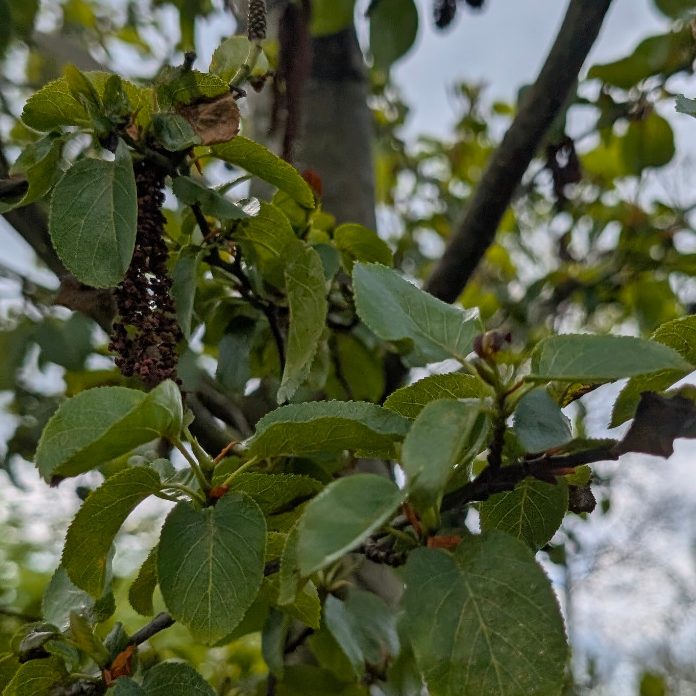
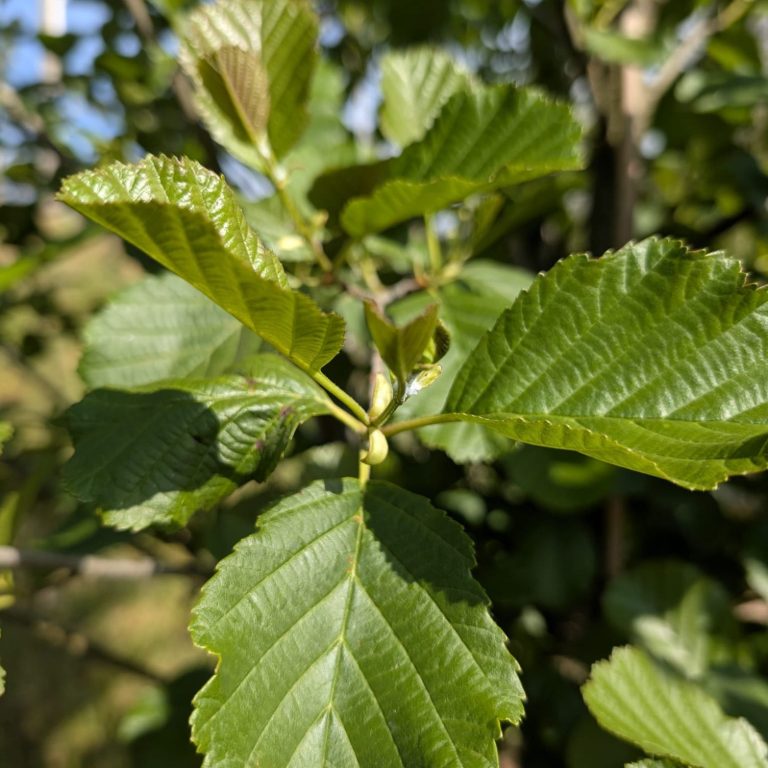
Black alder has dark green, glossy, rounded foliage and will get to a height of up to 28 metres. This deciduous tree has a fairly conical habit and is a tough tree, thriving in all soils. It is particularly at home in wet ground and can be used in areas liable to flooding to prevent soil erosion.
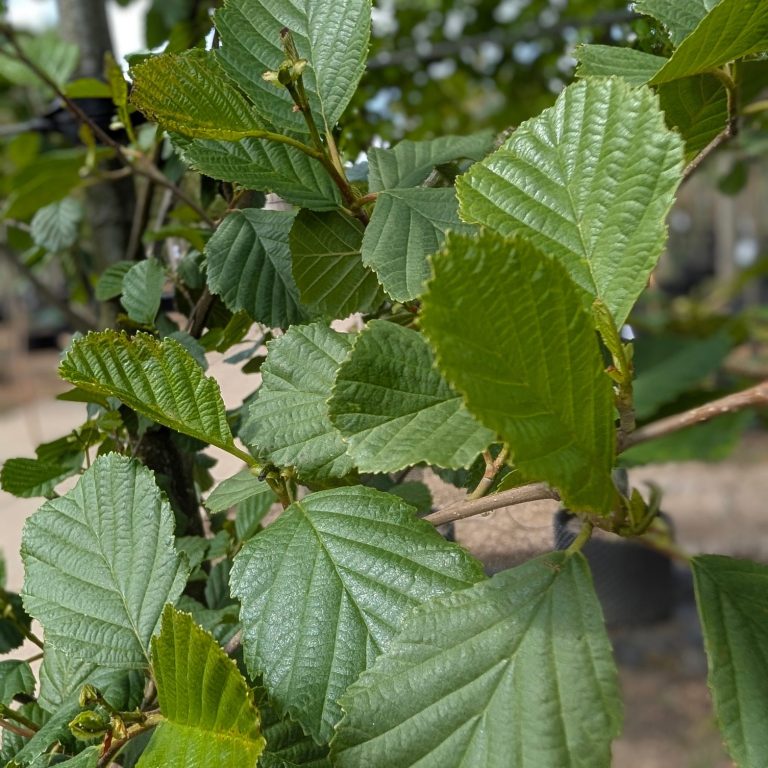
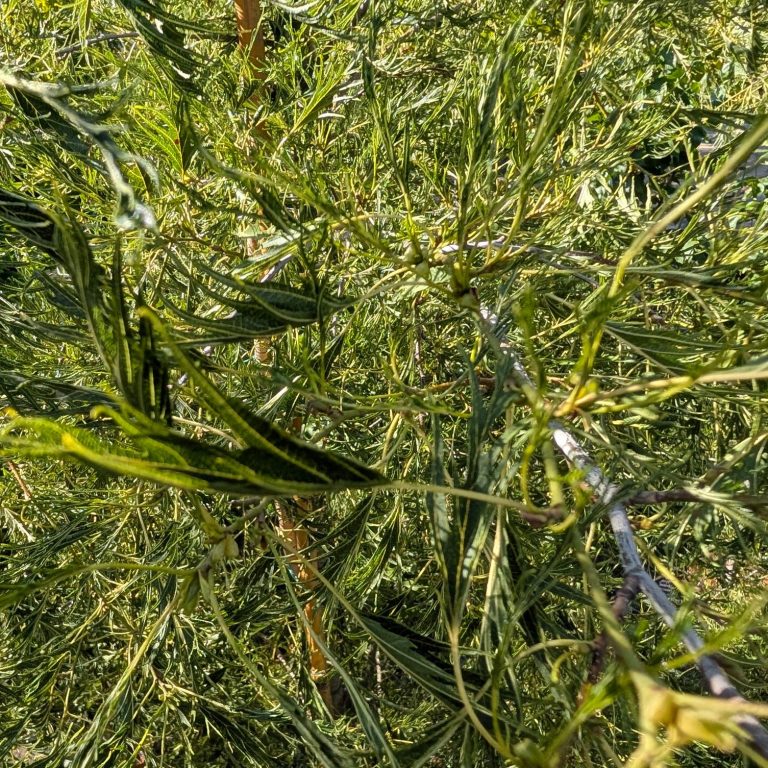
The cut leaved alder has fine, deeply cut leaves. Reaching a maximum height of around 20 meters with a narrow, conical canopy. Catkins in early spring develop into cone-like fruits throughout the growing season. This tree will thrive in wet conditions, often making it a good choice where soil conditions are not ideal. Will tolerate most soil types, but does require moisture throughout the growing season.
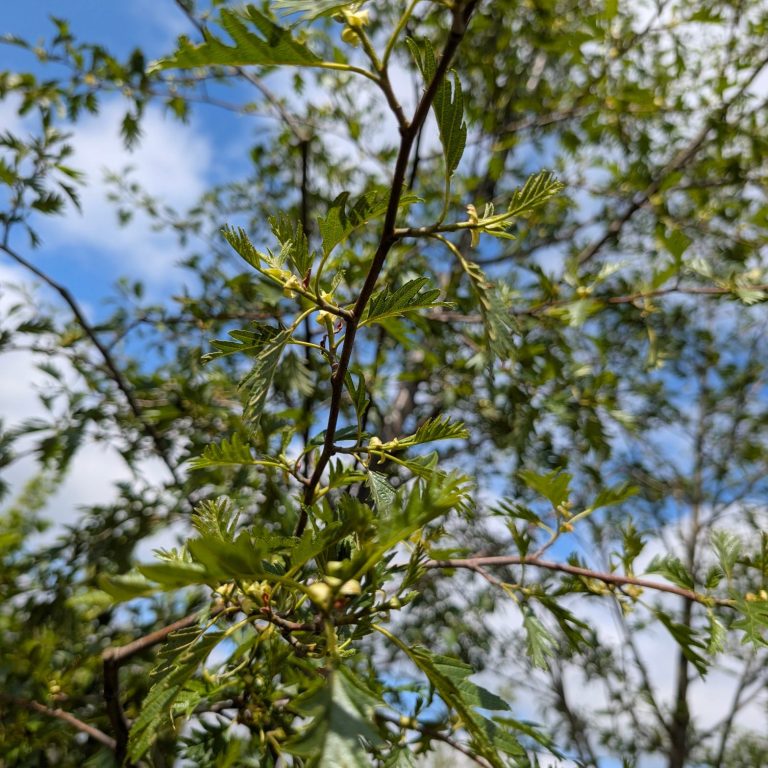
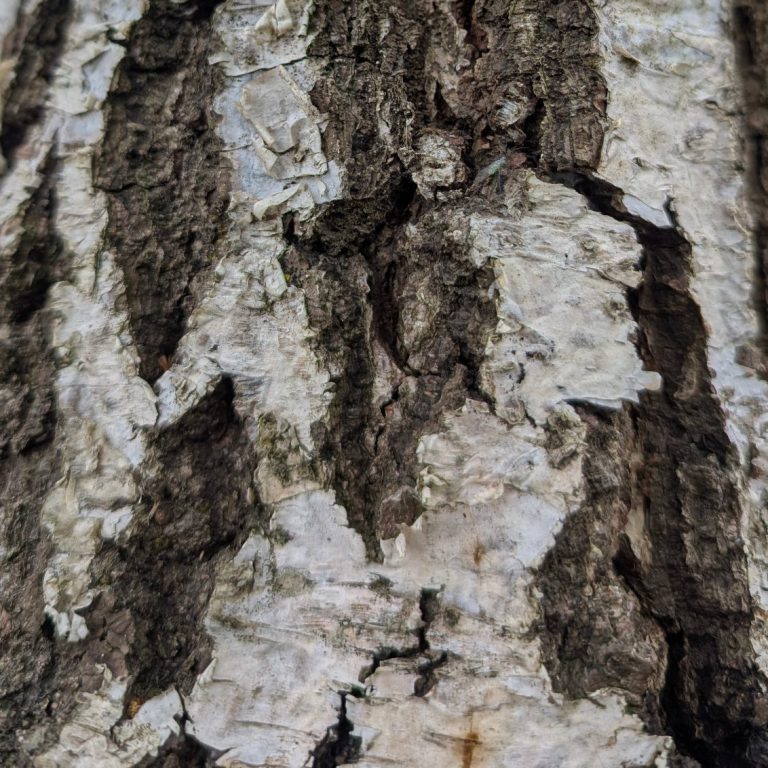
The silver birch is a common sight in UK gardens due to its versatility and striking winter interest due to its white, cracked bark. Small green leaves make up a light, drooping, deciduous canopy. Reaching a maximum height of 25 meters, this tree is often used as a multi stem. This tree is well suited to all soil types, where conditions are moist and well drained.
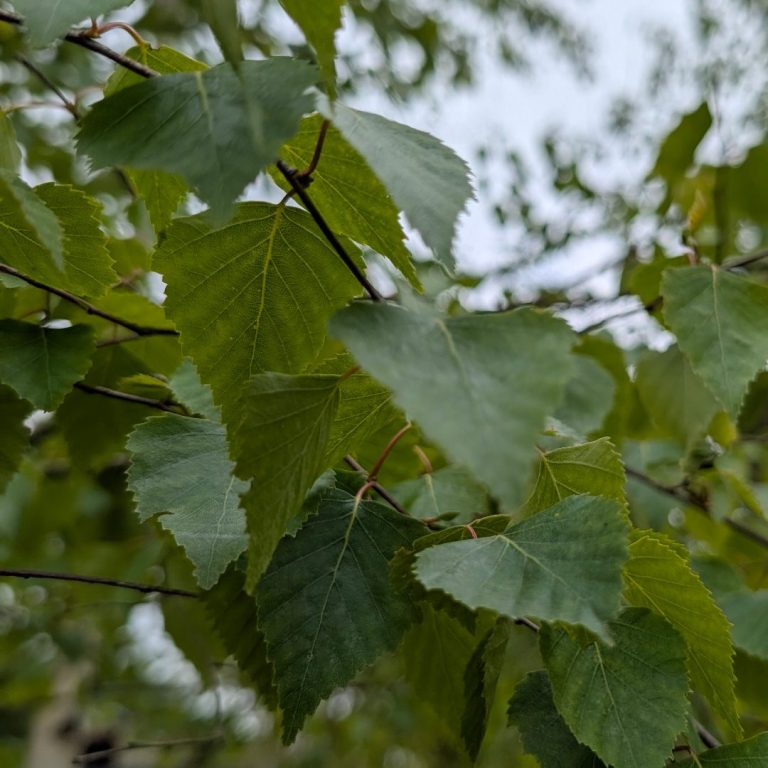
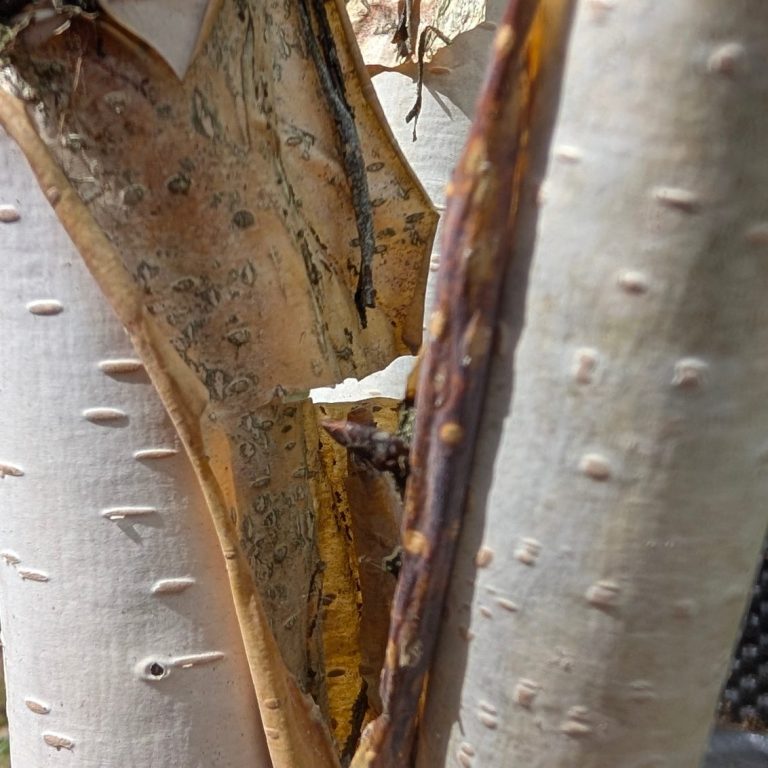
The Himalayan birch is a deciduous tree similar to the silver birch, but with a much more upright habit. Dark green leaves form a light canopy that often transition into an orange display in the autumn. Reaching around 18 meteres, it will be well suited in all soil types, where conditions are moist and well drained.
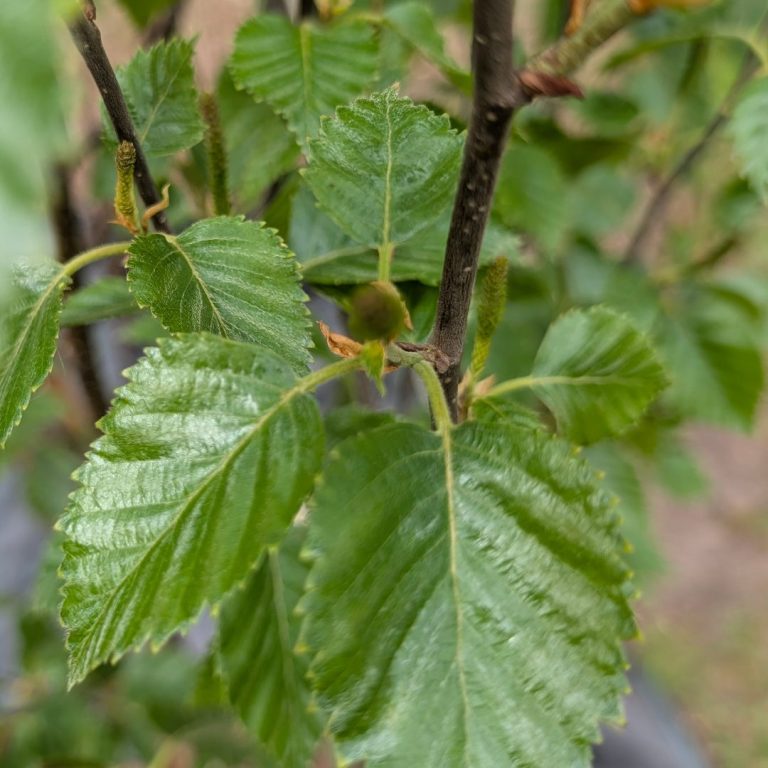
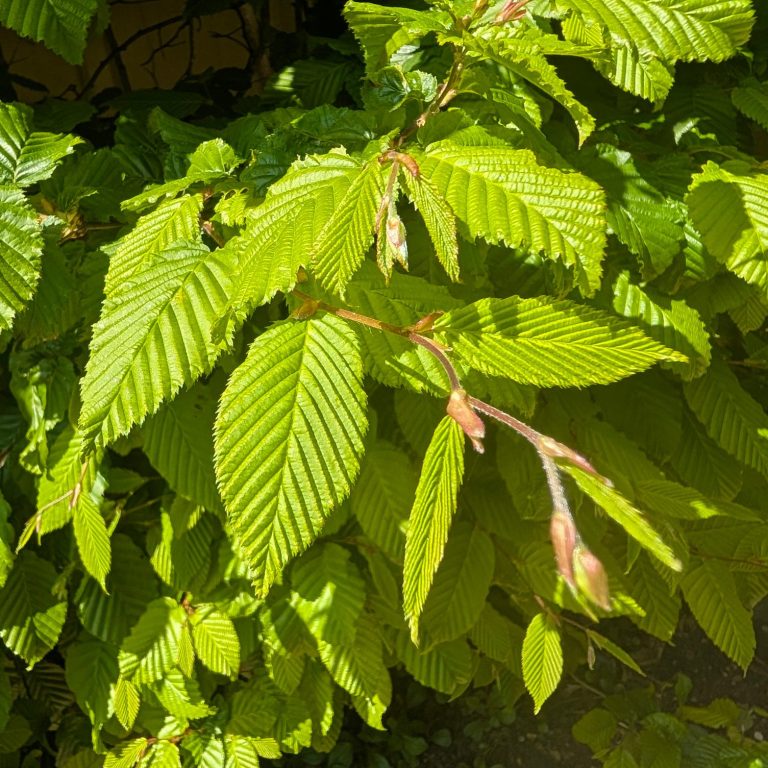
The European hornbeam will reach an ultimate height of more than 20 meters. Leaves appear in spring as a light, lime green maturing into a dense, rounded canopy. A common native specimen, the tree will thrive in all soil types and will tolerate being on the wetter side throughout the year.
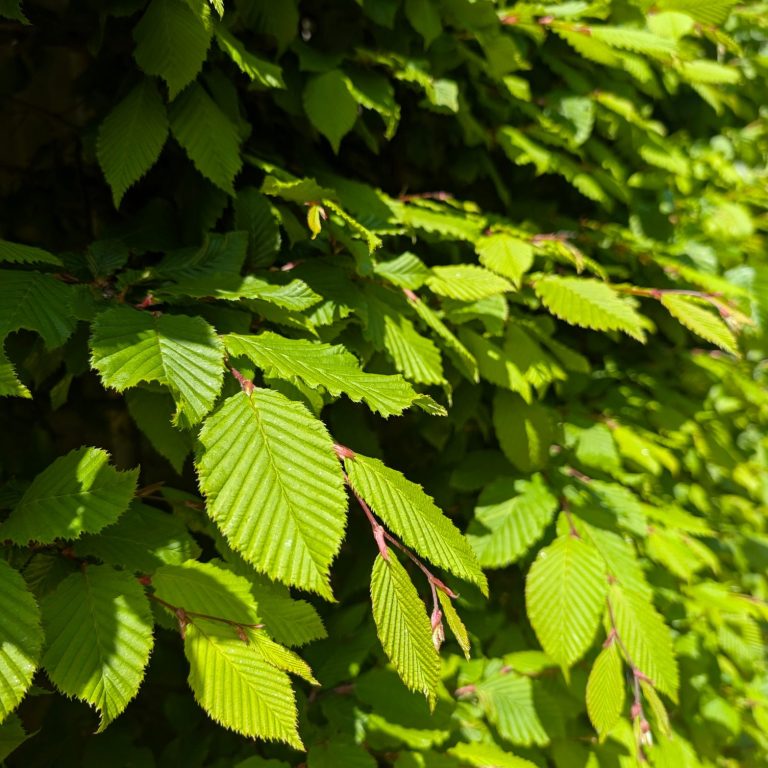
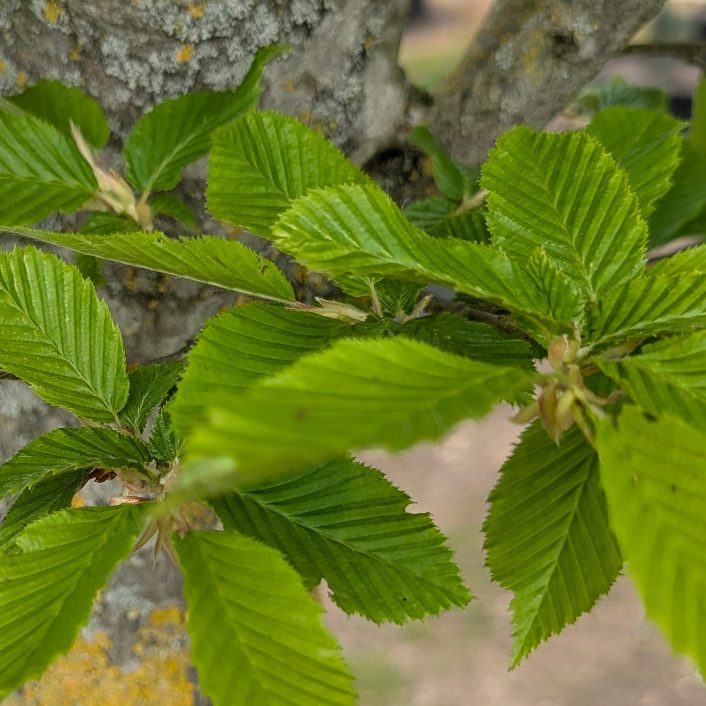
The upright hornbeam is a deciduous tree reaching an ultimate height of around 18 meters. An oval, bright green leaf emerges in autumn to make up a dense, full canopy. A display of gold and orange is witnessed in the autumn as the tree prepares for winter. Often used for screening, this tree can be used where height is needed, but width isn't as abundant. This specimen will thrive in all soil types, and is a good choice where soil tends to be wetter.
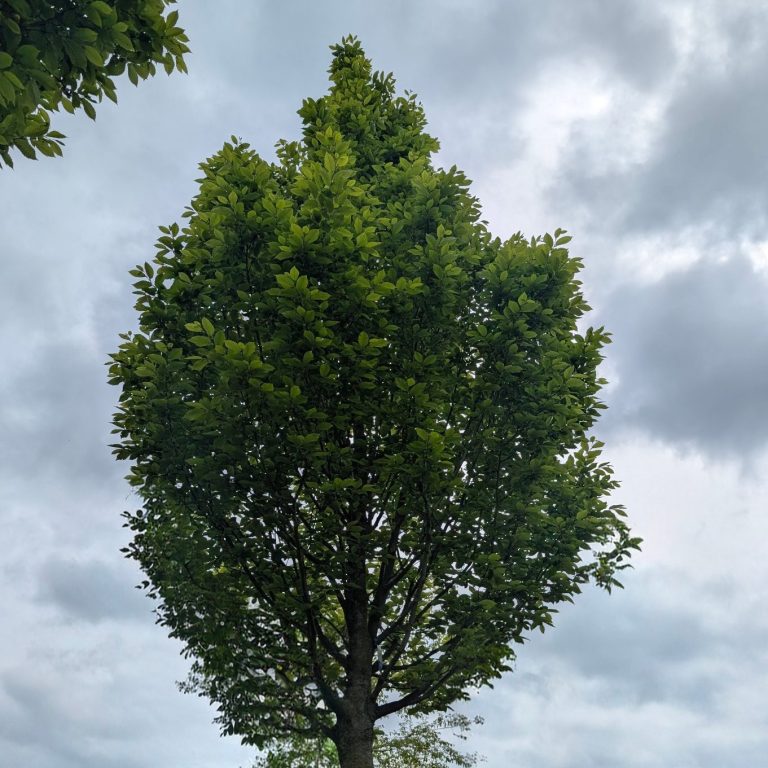
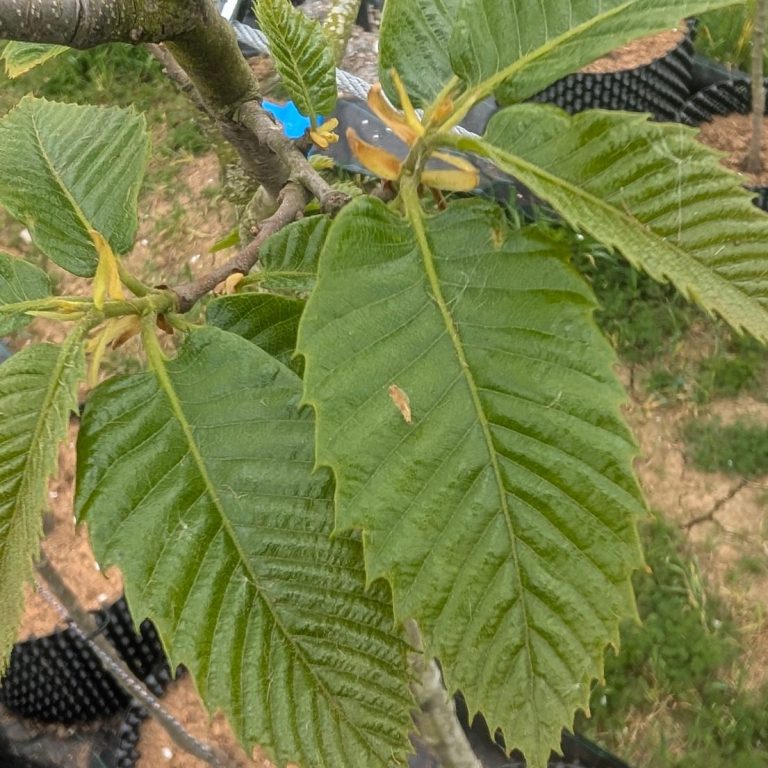
The sweet chestnut is a deciduous tree, that under the right conditions can reach a size of 35 meters. Oblong, serrated leaves are a glossy, light green and can reach lengths of up to 30 centimeters. Yellow catkins containing both male and female flowers appear in the spring. These develop into green, spiky clusters that contain sweet chestnuts. Will tolerate all soil types, unless heavily waterlogged.
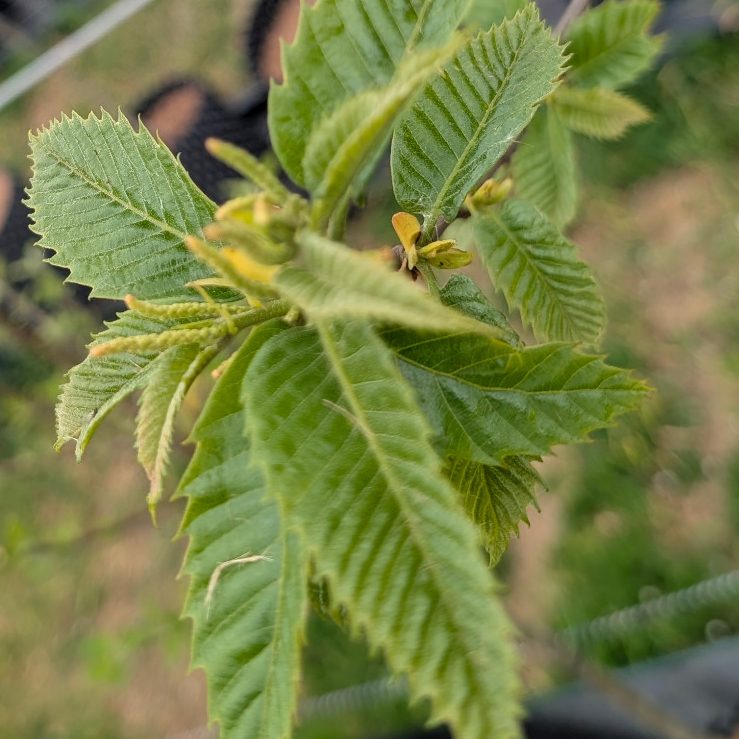
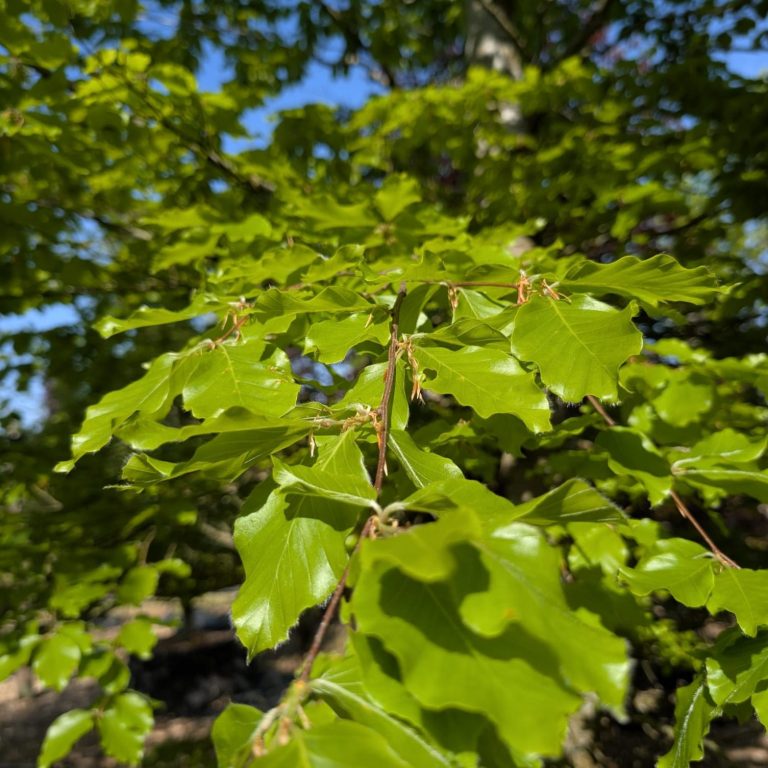
The common beech is a deciduous tree that can reach a size of 30 meters. Glossy green leaves emerge in the spring to make up a full canopy. Foliage will turn brown in the autumn and is often held until bud break in the following spring. Inconspicuous flowers in early spring are followed by bristly nuts, edible to humans. This tree will tolerate all soils but will perform better when soils are heavier and wont tolerate excess moisture.
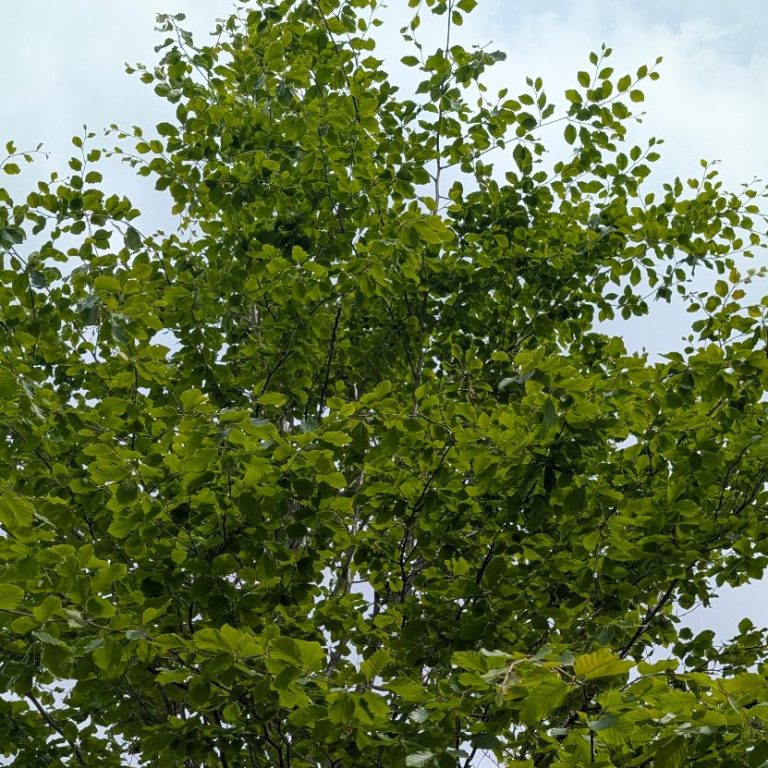
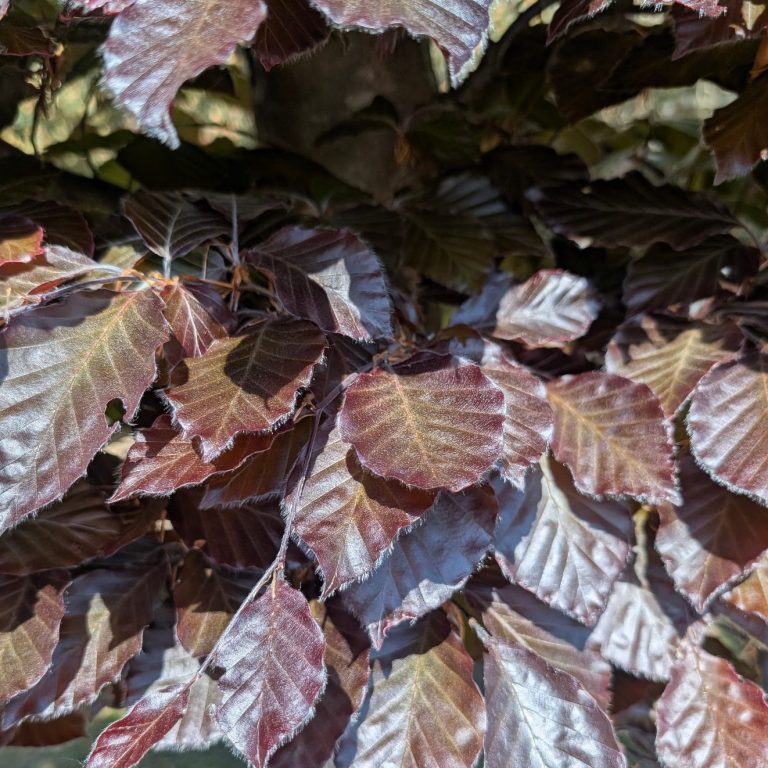
The copper beech is a deciduous tree with dark purple leaves in the spring. These will mature into a dark green-bronze into later summer before turning brown as the season comes to an end. Leaves or often retained until bud break in the following spring . Although smaller than common beech, this tree will still reach heights exceeding 20 meters. This tree will tolerate all soil types, but prefers a heavier soil and will not tolerate prolonged periods of wet.
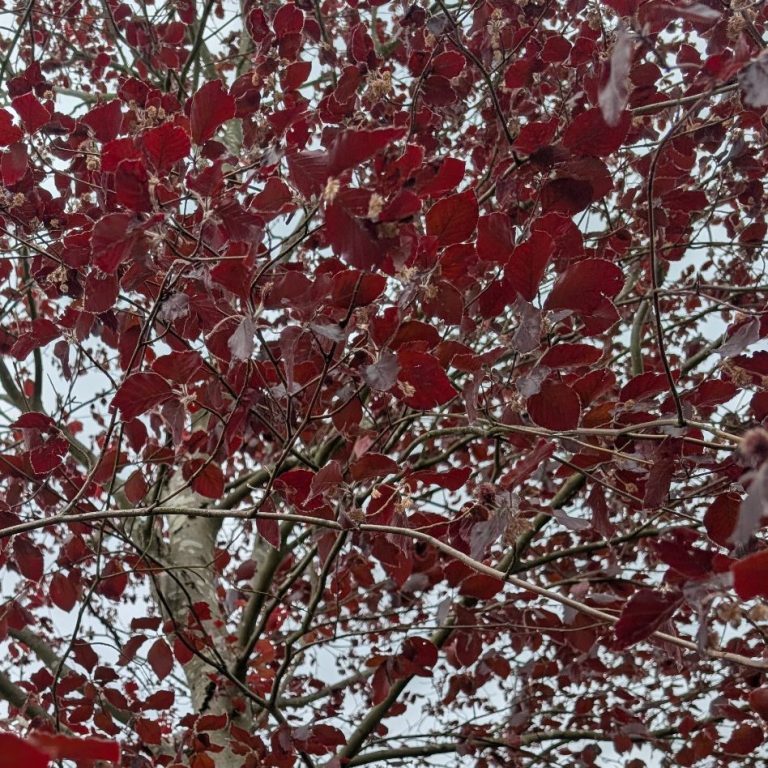
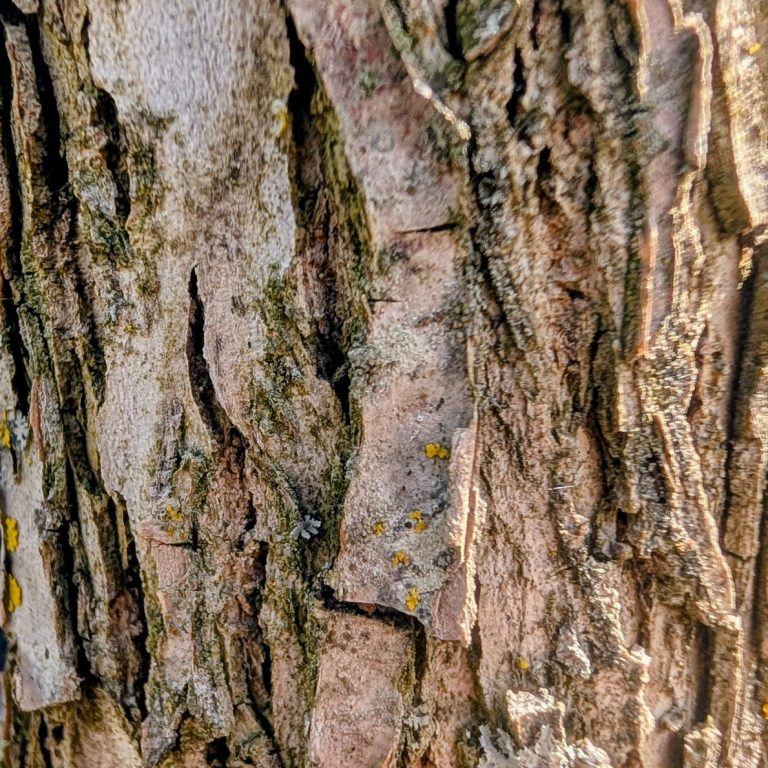
The common walnut is a deciduous tree that can reach heights of over 20 meters. Bright green leaves emerge in spring to form an oval crown. Flowers in the spring develop into walnuts in the late summer early autumn, before the canopy turns a spectacular yellow. Juglans regia will tolerate most soils, but will struggle where the ground is often waterlogged.

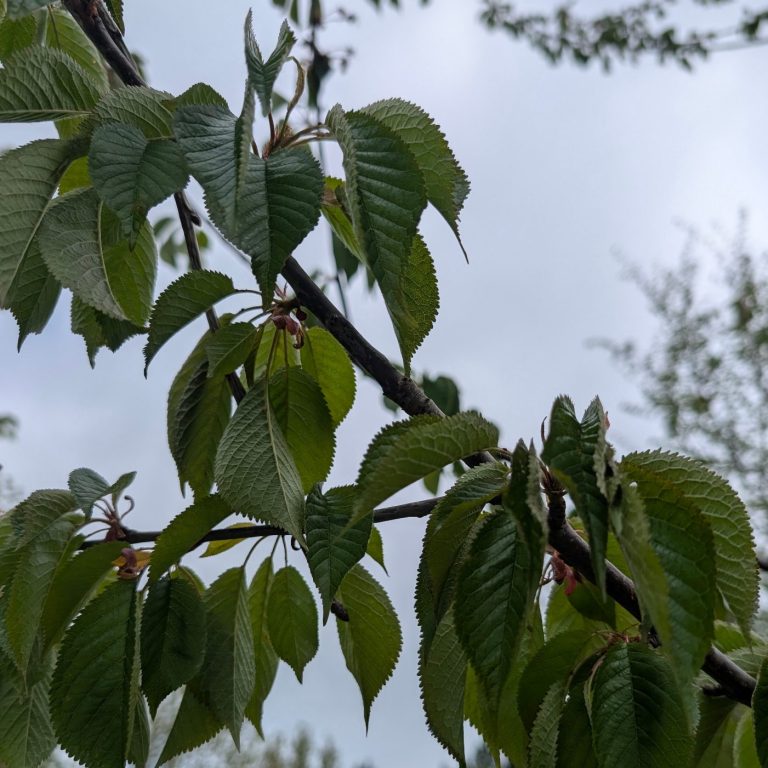
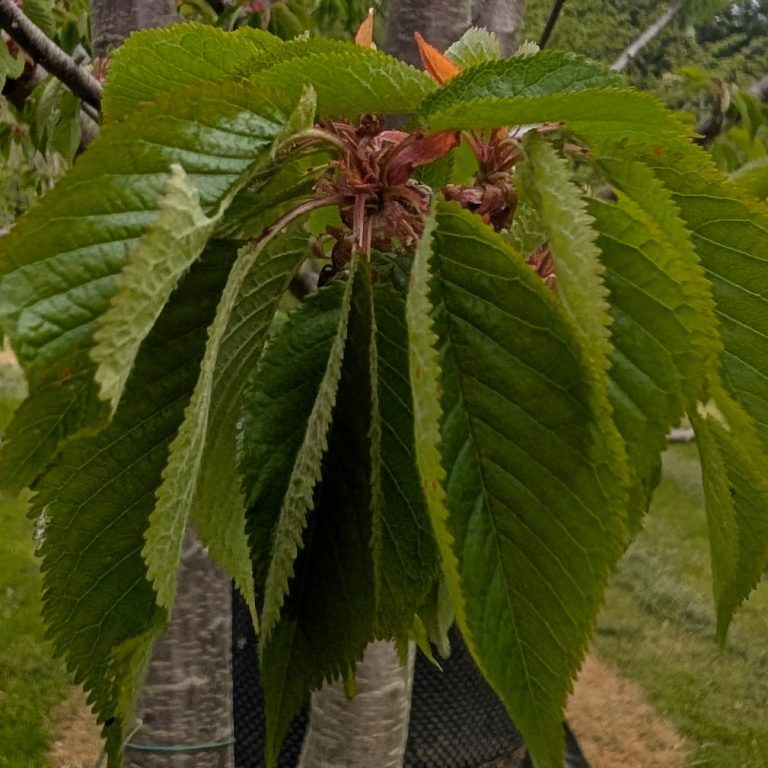
The wild cherry is a deciduous tree reaching heights of up to 18 meters. An airy, dark green canopy appears in the spring, complimented by clusters of pure white flowers. These flowers produce red fruits into the summer, before the foliage bursts into oranges and reds in late autumn as the tree prepares for dormancy. It will suit all soil types, where the ground remains moist but well drained.
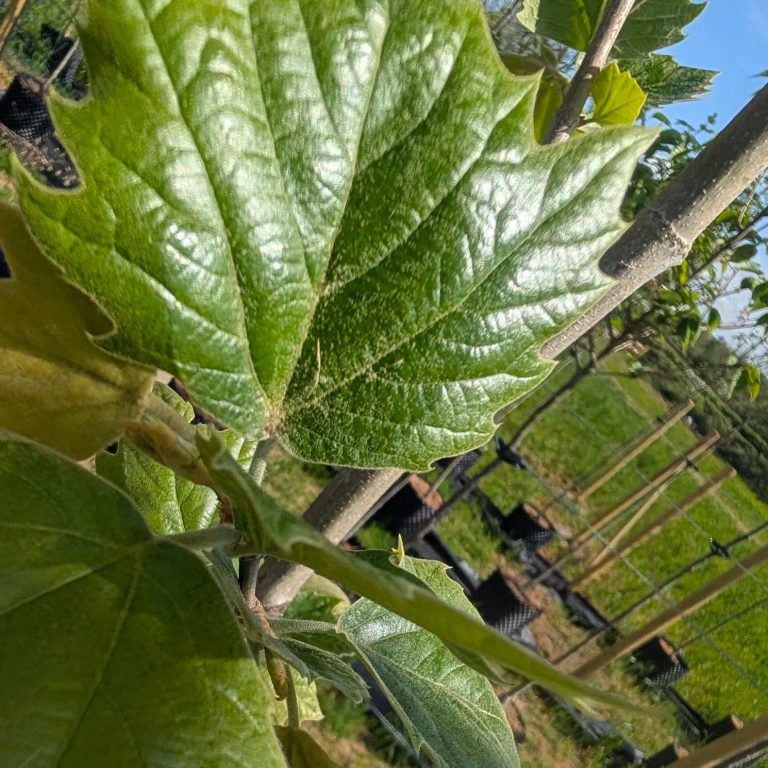
The London plain is a popular deciduous urban tree, reaching an eventual height of around 30m. Large lobed leaves can reach a size of up to 25cm in a dark green. This will transition into a light yellow, before the leaves fall in Autumn. Will tolerate all soils but will not tolerate shade.
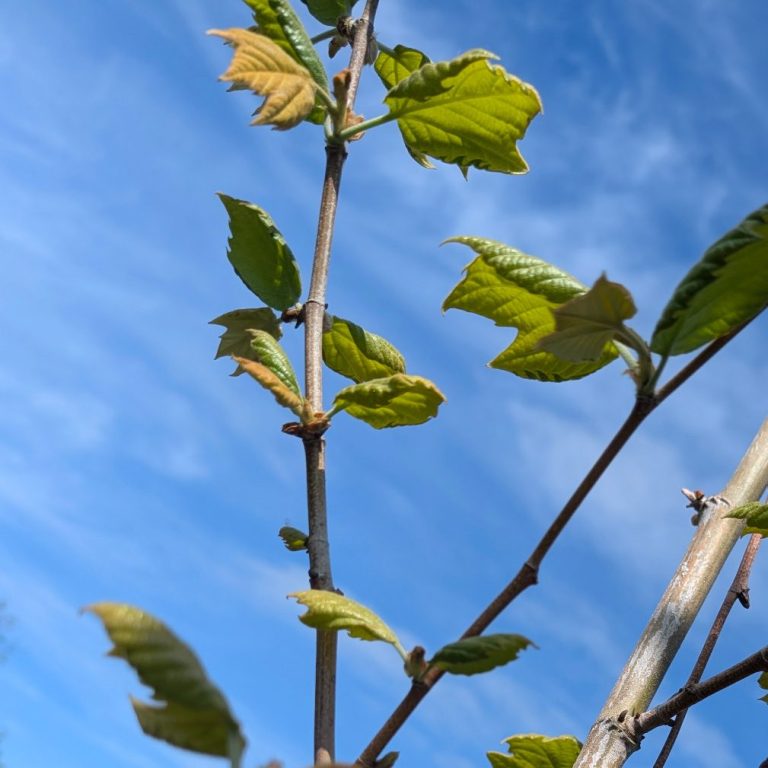
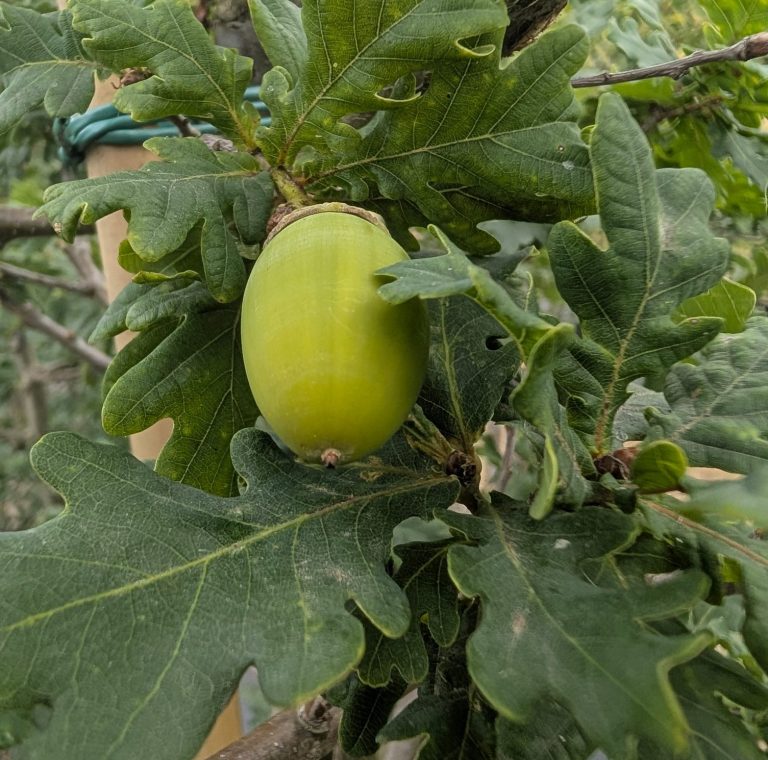
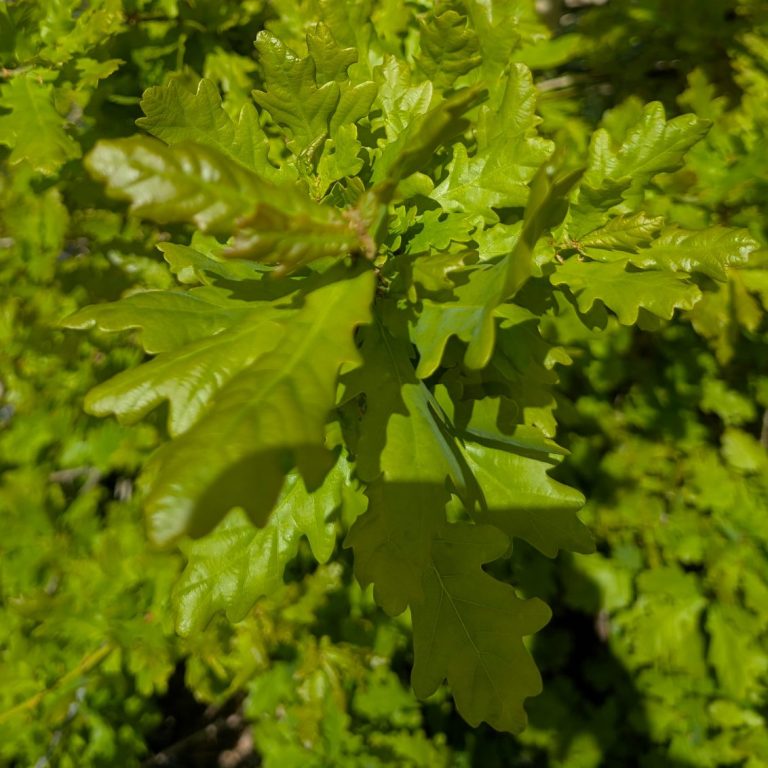
The English Oak is a deciduous tree that can get to a height of 40m. Dark green foliage appears later than most tree, in early May, unfurling into deeply lobed leaves. Leaves are joined by narrow catkins displaying flowers, which once pollinated develop into acorns. The English oak will tolerate most soils, where conditions remain moist but well drained.
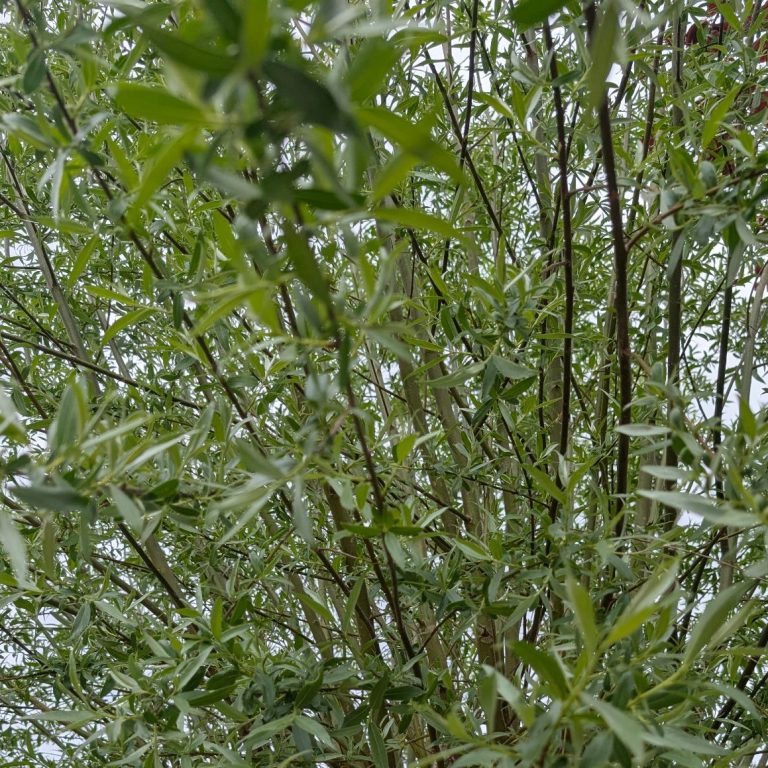
White willow is a deciduous tree that will grow up to 25 meters where conditions are ideal. Silvery green leaves emerge in the spring and are joined by yellow flowers that develop into catkins. Where conditions are heavy with plenty of moisture available this tree will thrive, struggling in a sandy, drier soil condition.
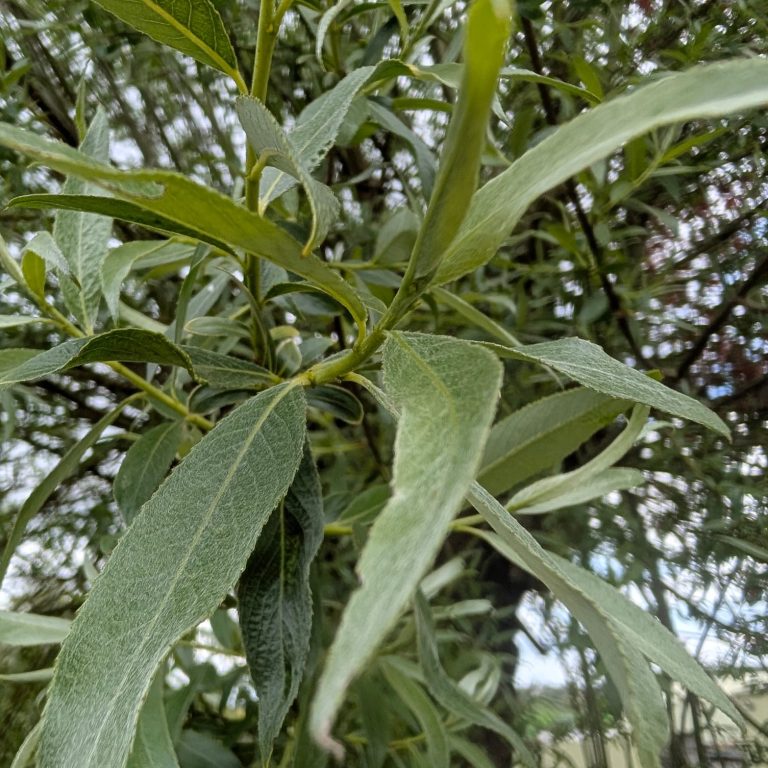
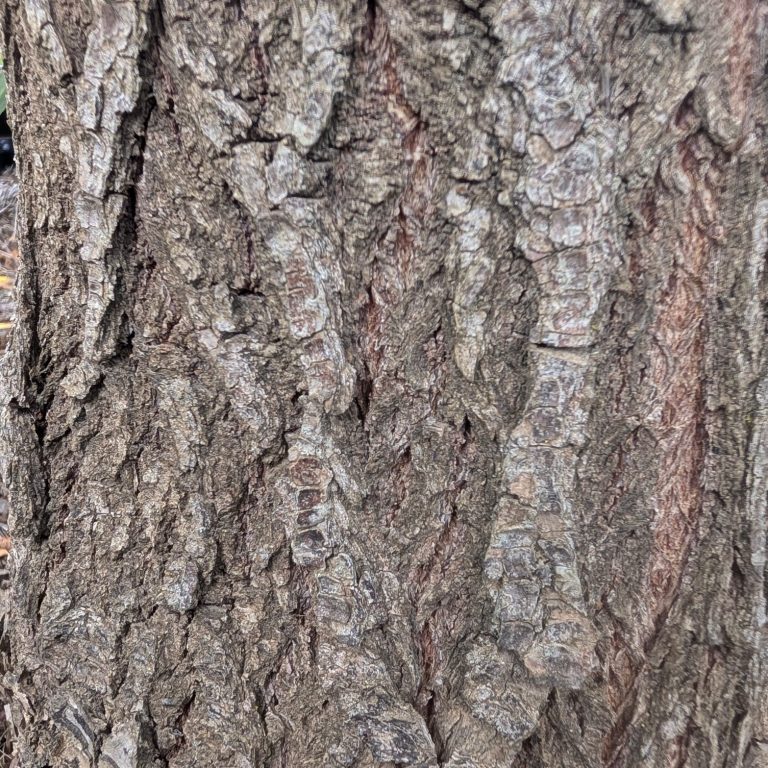
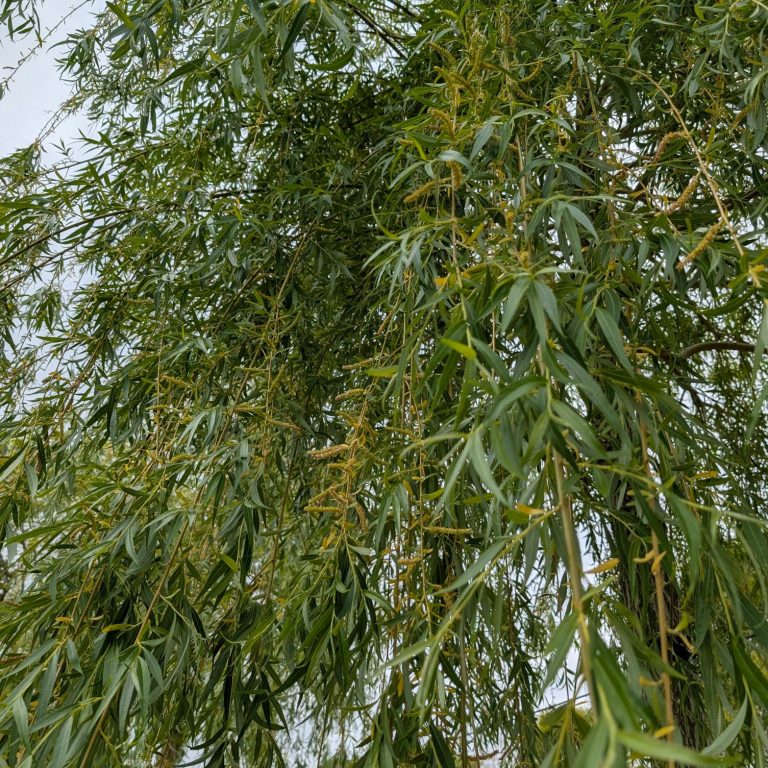
The weeping golden will reaches a height and width of around 15 meters when left unchecked. This tree will however, react well to pollarding to keep it a more manageable size where space isn't abundant. With a weeping habit, the golden yellow branches are adorned with slender green foliage. Extremely tolerant of wet conditions, and will grow vigorously where moisture us constantly available.
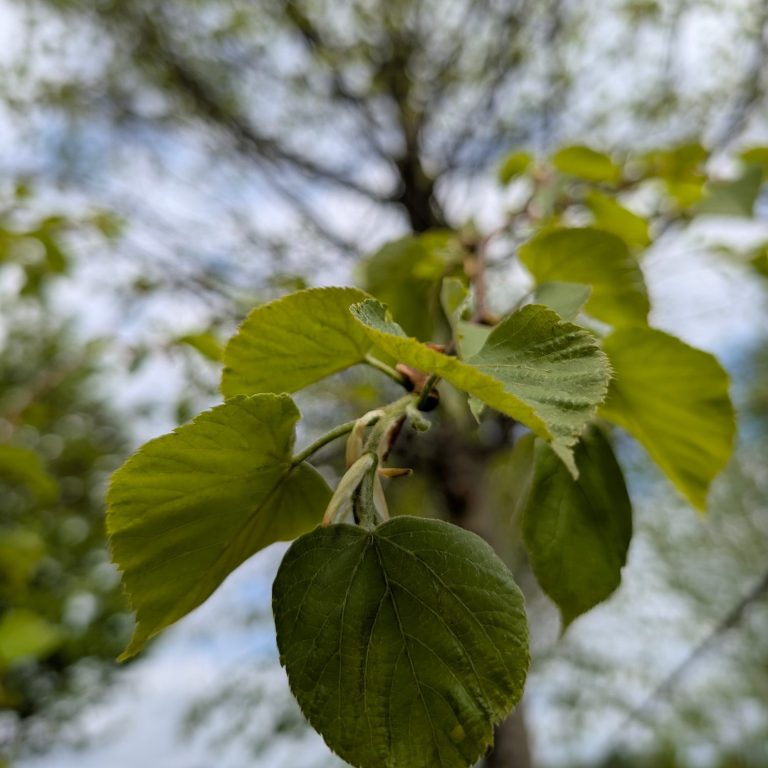
The small leaved lime is a deciduous tree that can reach heights exceeding 20 meters. Heart shaped foliage appears in the spring, is accompanied by fragrant blooms as the summer progresses. The tree is often used in urban settings due to its positive reaction to heavy pruning to maintain its size. It will thrive in most soils, where conditions are moist but well drained.
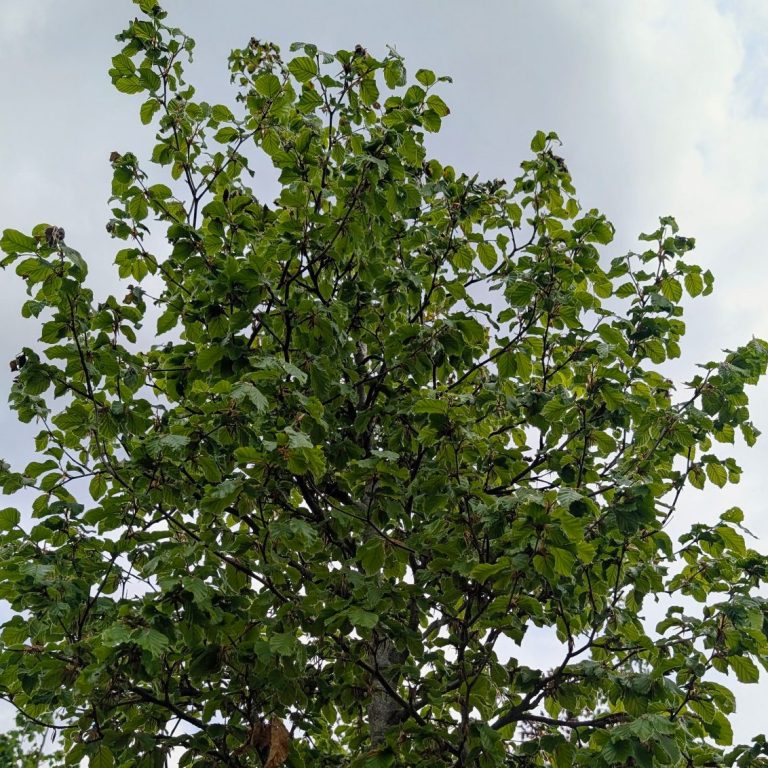
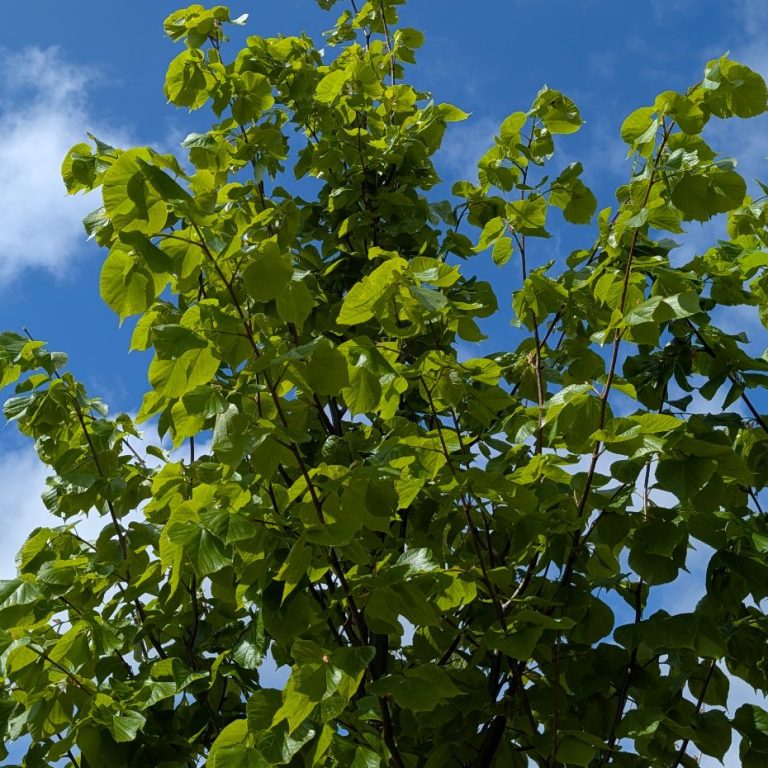
This common lime can reach heights of 25 meters and has an open conical crown. Heart shaped green foliage emerges in the spring, forming an airy canopy. This tree reacts very well to being maintained as a pollarded specimen, making it a popular avenue tree. The TIlia thrives in most soils, where conditions remain moist, but well drained.
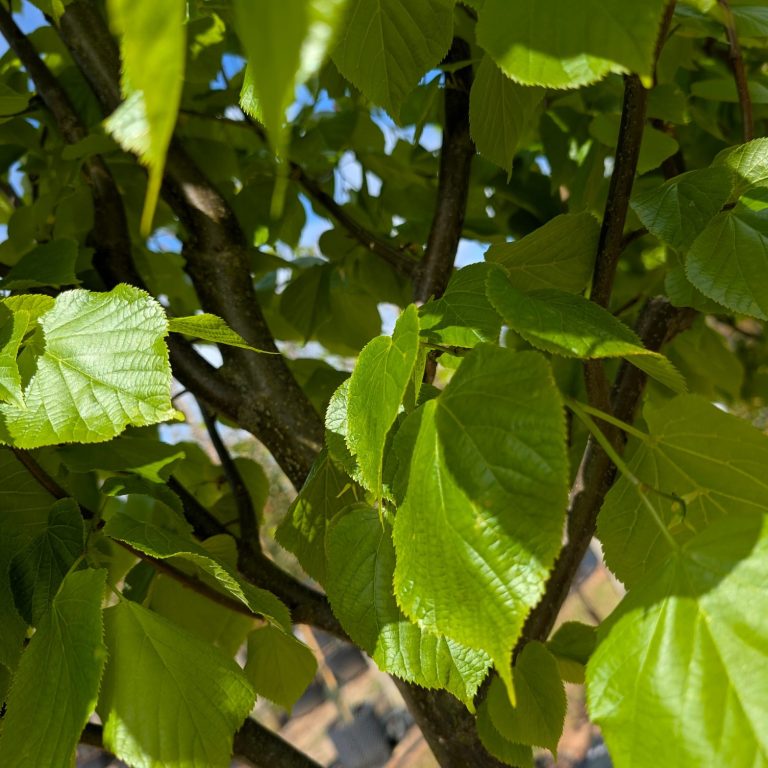
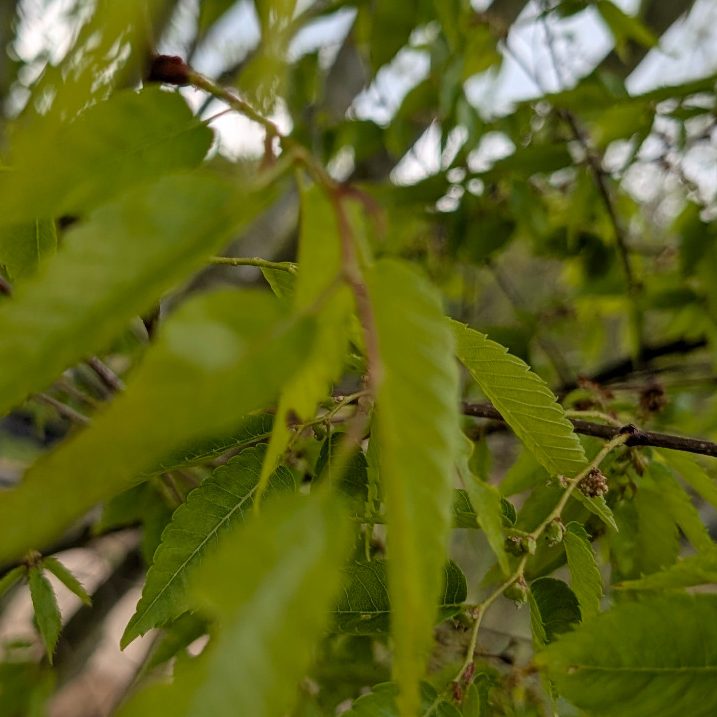
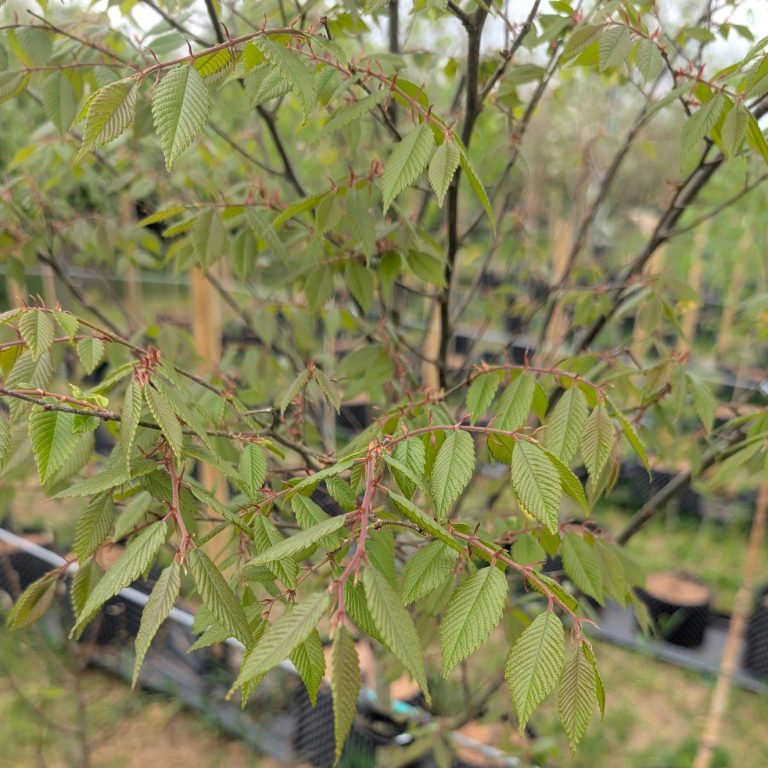
The Japanese zelkova is a deciduous tree that can reach heights of up to 30 meters where conditions are ideal. Tapered green leaves with serrated edges adorn the canopy in the spring turning to a display of yellow, orange and red in the autumn as the tree prepares form its dormant months. This tree will thrive in all soil types that are moist, but well drained soil.
We need your consent to load the translations
We use a third-party service to translate the website content that may collect data about your activity. Please review the details in the privacy policy and accept the service to view the translations.